Devotion & Catechism books for Reformed Protestant Families {free printable: Five Solas & TULIP}
From the time your child steps outside, our Christian faith is being challenged. It is important to equip our children with the knowledge of where our beliefs came from! Conducting family devotions daily, memorizing Scripture and our beliefs, and attending church will help us to raise our children up in the Lord and in the foundations of our faith! Recently, this has become absolutely vital for our family’s circumstances.
On the Importance of Catechizing our Children
Catechizing my children in my Protestant faith is vital for instilling a solid foundation in our beliefs and ensuring they understand the core beliefs that define our family’s Christian faith. “Catechizing” can be done in many ways: through scripture memory, reading devotional books, memorizing the Westminster Catechism, & singing theologically sound hymns and songs.
If you’re looking for a wonderfully written expose on the “why” we, as parents, and particularly mothers, should be catechizing our children, look to On the Teaching of Religion to Children by Rev. William Danks (1909). This article was re-published by Charlotte Mason, so it was revered at the time as an authority as to the question, “Should we teach religion to our children?” Rev. Danks does not mince words; he uses detailed imagery and Scripture to drive home his insistence that children should be taught about their faith early and at home:
“Let them choose for themselves.” Do you leave them untaught in the difference between food and poison that they may have freedom of choice? Do you leave them ignorant of reading and writing that they may choose what language to read or write in? Is the bread of wheat so much more solid a benefit than the Bread of Life? the knowledge of the alphabet than the knowledge of God? the rule of three than the golden rule? To parents who educate without religion it is surely written “A foolish son is a grief to his father and a bitterness to her that bare him. … It were better that a millstone were hanged about a man’s neck, and he cast into the midst of the sea, than that he should offendone of these little ones.”
If you are a Reformed Calvinist, then your children should be taught the Westminster Shorter Catechism, as well as The Five Solas and T.U.L.I.P.!
A free printable poster of these two vital sets of doctrines is available here:

Grab the free printable posters of these two vital sets of doctrines
The Five Solas & TULIP posters here!
What are the Five Solas?
The Five Solas are foundational principles that emerged during the Protestant Reformation, summarizing key theological differences with the Roman Catholic Church. Teaching these principles helps your children understand Protestant theology.
- Sola Scriptura (Scripture Alone): The Bible alone is the ultimate authority in all matters of faith and practice. All teachings, traditions, and doctrines must align with Scripture. 2 Timothy 3:16-17, which states, “All Scripture is God-breathed and is useful for teaching, rebuking, correcting and training in righteousness, so that the servant of God may be thoroughly equipped for every good work.”
- Sola Fide (Faith Alone): Justification is received by faith alone, not by works. Salvation is a gift from God, received through faith in Jesus Christ, and not something anyone can earn by their own efforts. Ephesians 2:8-9: “For it is by grace you have been saved, through faith—and this is not from yourselves, it is the gift of God—not by works, so that no one can boast.”
- Sola Gratia (Grace Alone): Salvation comes by God’s grace alone, not through any human effort. God’s grace is undeserved and freely given, emphasizing God’s love and mercy. Romans 11:6: “And if by grace, then it cannot be based on works; if it were, grace would no longer be grace.”
- Solus Christus (Christ Alone): Jesus Christ is the only mediator between God and humanity. Christ’s sacrifice is sufficient for salvation and that no other mediators or works are needed. 1 Timothy 2:5: “For there is one God and one mediator between God and mankind, the man Christ Jesus.”
- Soli Deo Gloria (To the Glory of God Alone): All of life is to be lived for the glory of God alone. We must live our lives in a way that honors and glorifies God, recognizing His sovereignty in all things. 1 Corinthians 10:31: “So whether you eat or drink or whatever you do, do it all for the glory of God.”
What is TULIP? The Five Points of the historic faith, Reformed Protestantism, also called “Calvinism”
TULIP is an acronym summarizing the five points of Calvinist theology, which many Protestant traditions hold. Teaching TULIP can provide your children with a deeper understanding of God’s sovereignty in salvation.
- Total Depravity: Human beings are completely affected by sin and unable to come to God on their own. Because of sin, we need God’s intervention to be saved. Romans 3:10-12: “There is no one righteous, not even one; there is no one who understands; there is no one who seeks God. All have turned away, they have together become worthless; there is no one who does good, not even one.”
- Unconditional Election: God chooses to save people based on His will alone, not on any foreseen merit in them. Salvation is entirely an act of God’s sovereign will, highlighting God’s mercy and grace. Ephesians 1:4-5: “For he chose us in him before the creation of the world to be holy and blameless in his sight. In love he predestined us for adoption to sonship through Jesus Christ, in accordance with his pleasure and will.”
- Limited Atonement: Christ’s atonement is sufficient for all, but effective only for the elect. Christ’s sacrifice is effective and intentional for those God has chosen to save. John 10:14-15: “I am the good shepherd; I know my sheep and my sheep know me—just as the Father knows me and I know the Father—and I lay down my life for the sheep.”
- Irresistible Grace: When God calls His elect into salvation, they cannot resist. God’s grace effectively brings the elect to faith, ensuring that His purpose in salvation is fulfilled. John 6:37: “All those the Father gives me will come to me, and whoever comes to me I will never drive away.”
- Perseverance of the Saints: Those whom God has elected and drawn to Himself will persevere in faith until the end. There is security of our salvation and we should trust in God’s sustaining power. Philippians 1:6: “Being confident of this, that he who began a good work in you will carry it on to completion until the day of Christ Jesus.”
More Reformed Devotional Books worth considering
Here is a short list of excellent Devotional Books that we have used in our home. Going through the Westminster Catechism is vital and should be repeated over and over. After that, Protestant books on faith and our core beliefs is crucial!
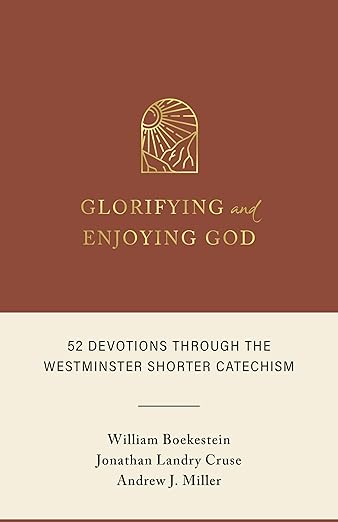
Glorifying and Enjoying God: 52 Devotions Through the Westminster Shorter Catechism
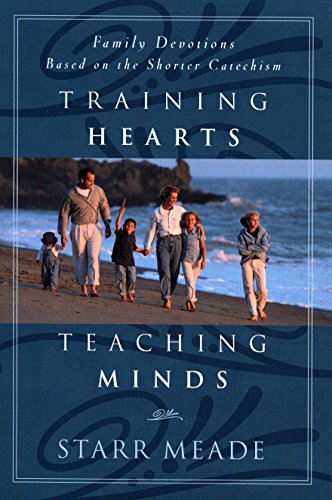
Training Hearts, Teaching Minds: Family Devotions Based on the Shorter Catechism
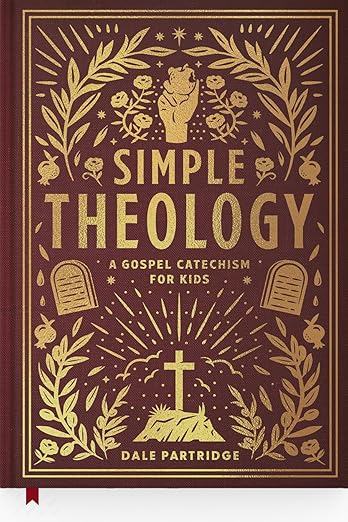
Simple Theology: A Gospel Catechism for Kids
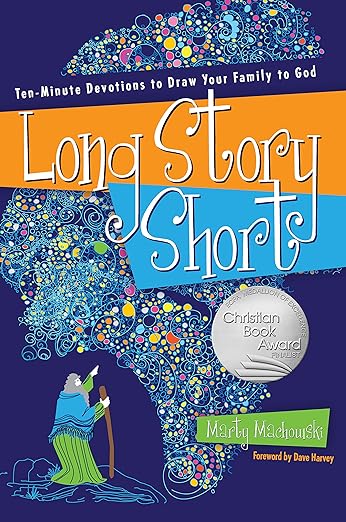
Long Story Short: Ten-Minute Devotions to Draw your Family to God
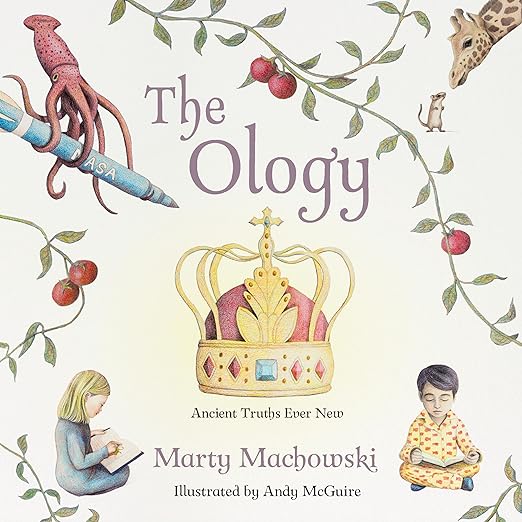
The Ology: Ancient Truths, Ever New
Wonderfull: Ancient Psalms, Ever New
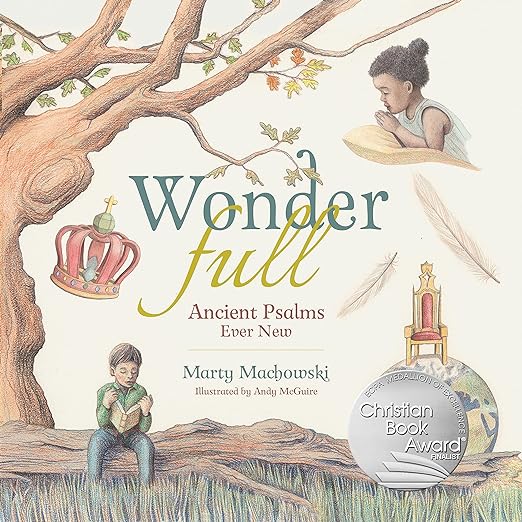
When it comes to catechizing your children, practical steps can make the process both effective and meaningful. Set aside regular times for teaching using structured formats like the Westminster Shorter Catechism or the Heidelberg Catechism. For us, this is at lunchtime. We incorporate catechism into daily family worship times by reading Scripture, praying, and discussing its application using these two books: . Utilizing these books has helped us explain the Five Solas and TULIP, making complex doctrines more accessible.
Emphasis on Memorization & Daily Discussion
Encourage your children to memorize key catechism questions and answers, as well as related Bible verses, to reinforce their learning. Choose one question per week or have scripture memory verse going that relate to the questions. I’ve included some suggestions in my free printable! Engage in discussions about how these doctrines apply to everyday life, helping them see the relevance to their faith.
Going to Church as a Family
Finally, involve your children in church activities where these doctrines are taught and lived out, ensuring they experience the community and practice of their faith.

Rooted in your Faith
Together, the Five Solas and TULIP form the robust framework of Reformed theology, grounding believers in the authority of Scripture, the necessity of grace, and the assurance of God’s sovereign work in salvation. By catechizing our children in the Protestant faith, emphasizing the Five Solas and TULIP, we equip them with a strong theological foundation that will guide them throughout their lives and equip them for questions they will surely have in the future.
Grab the free printable posters of these two vital sets of doctrines
The Five Solas & TULIP posters here!
grab the free homeschool resource guide here!
A simple start to your homeschooling journey is closer than you think! Use these practical resources and tips to get started today! You don’t have to have everything figured out to get started!


